

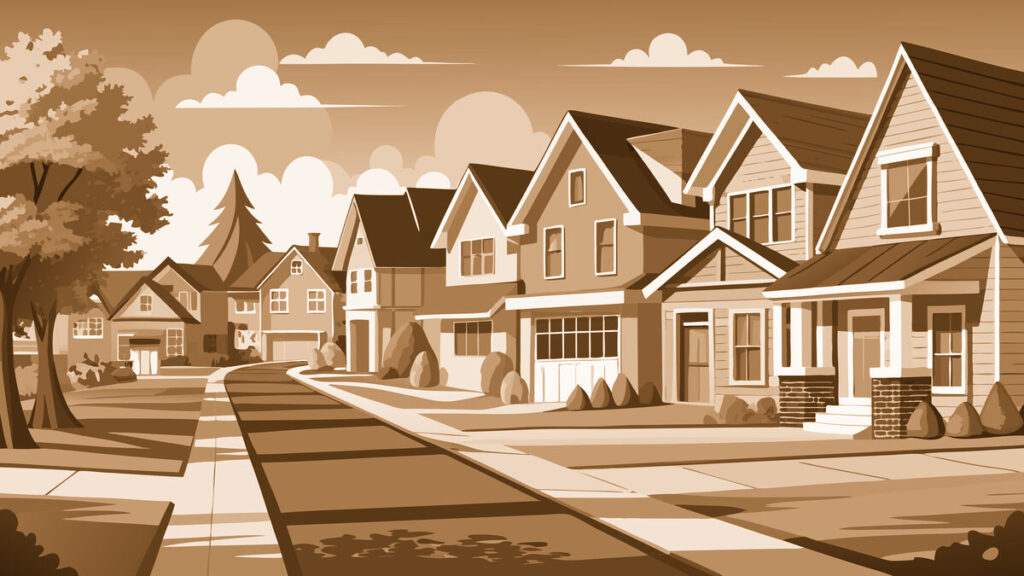
Nestled in the heart of Salisbury, North Carolina, the Country Club neighborhood stands as a vibrant testament to the city’s heritage and evolving character. Known for its tree-lined streets, historic homes, and strong sense of community, this beloved neighborhood has been a cornerstone of Salisbury life for nearly a century. Join me as we explore the history, key landmarks, and lasting legacy that make Country Club such a special place to call home.
Origins: The Birth of Salisbury’s Country Club
The story of the Country Club neighborhood dates back to the early 20th century, an era when Salisbury was steadily growing as a bustling hub between Charlotte and the Piedmont region. In the 1920s, as ideas of suburban living gained popularity, local visionaries saw opportunity in the rolling land just west of the city’s historic downtown. This area, at the time filled with groves and gentle hills, soon became the site of the Salisbury Country Club, which opened its doors in 1925.
The golf course and club quickly became a social and recreational centerpiece for families and professionals alike. Influenced by its namesake, residential streets—such as Country Club Drive, Sterling Court, and Fairway Drive—soon sprung up around the club, giving rise to a neighborhood that would forever bear the title “Country Club.”
How the Neighborhood Got Its Name
The Country Club neighborhood quite literally took its name from the Salisbury Country Club, a symbol of leisure and community that defined the area for decades. The club itself served as a gathering spot, hosting dances, charity galas, and family celebrations. Its proximity to the newly platted residential streets made the area all the more attractive for those seeking elegance and camaraderie in their daily surroundings.
While the original Salisbury Country Club has evolved over the years—eventually becoming the Salisbury Elks Golf Club—its influence remains deeply etched in the name and identity of the neighborhood.
Key Historical Milestones
Through the years, the Country Club neighborhood has marked several milestones that parallel Salisbury’s growth and transformation:
- 1920s: The development of the Salisbury Country Club and the surrounding homes begins, with many houses reflecting the Colonial Revival and Tudor architectural styles.
- 1930s-1950s: Despite the hardships of the Great Depression and World War II, the neighborhood continues to attract new residents, gradually expanding to include picturesque enclaves like Park Road and Parrish Street.
- 1960s-1970s: The postwar economic boom brings modern enhancements and a new generation of families. Churches such as St. John’s Lutheran and educational institutions nearby, including Knox Middle School, become integral parts of the community fabric.
- 1980s-Present: Preservation efforts flourish as many families restore classic homes and maintain the area’s timeless beauty. The neighborhood takes pride in its annual festivals and neighborhood gatherings, often centered around the club and the lush expanse of the golf course.
Notable Landmarks and Enduring Icons
The Country Club neighborhood’s landscape is dotted with landmarks that speak to its history and enduring appeal:
- Salisbury (Elks) Golf Club: Once the original Country Club and now managed by the Benevolent and Protective Order of Elks, this golf course remains the neighborhood’s green heart. Drive down Country Club Drive and you’ll still see golfers enjoying the tree-canopied fairways, much as they have for generations.
- Architectural Gems: Homes along Sterling Court, Lafayette Street, and Greenway Avenue showcase stately columns, brick facades, and inviting porches—reminders of classic American design. Several have been recognized for their historical significance and careful restoration.
- Dunn’s Mountain Park (nearby): This local favorite offers panoramic views of Salisbury and is just a short trip from the neighborhood. It stands as a nod to the area’s natural beauty, cherished by both longtime residents and newer arrivals.
- Shuford Stadium: On the edge of the neighborhood is Catawba College’s Shuford Stadium, where residents come together for collegiate football games and community events, reinforcing the neighborhood’s lively spirit.
Streets and Institutions: The Backbone of Community Life
Winding through the Country Club neighborhood, you’ll find streets steeped in tradition and daily life. Country Club Drive serves as a picturesque main artery, flanked by mature oaks and maples that provide shade in the summer and a riot of color in the fall. Parallel streets like Lafayette and Old Mocksville Road connect neighbors, while Park Road meanders past tidy lawns and gardens.
Nearby, institutions such as:
- Knox Middle School
- Sacred Heart Catholic School
- St. John’s Lutheran Church
have played pivotal roles in shaping the area’s sense of community and inclusivity, offering gathering places for learning, worship, and celebration over the decades.
Evolution and Community Spirit
Today’s Country Club neighborhood is a blend of past and present. While many residents are proud stewards of historic homes, others have built new memories in more recent builds that complement the area’s classic aesthetic. The diversity of homes mirrors the neighborhood’s embrace of both tradition and progress.
Throughout the year, the neighborhood comes alive with events like garden tours, holiday parades, and neighborly block parties. The Salisbury Elks Golf Club hosts tournaments while nearby community parks offer playgrounds and walking trails for families and visitors alike.
Perhaps the most enduring feature, though, is the friendly wave from a neighbor riding by on their bicycle, the laughter of children playing under century-old trees, or the aroma of grilling burgers on a summer afternoon. In a rapidly changing world, Country Club’s sense of connection and shared history remains its most valuable asset.
A Place With a Story — And a Future
What makes the Country Club neighborhood in Salisbury truly special isn’t just its stately homes or rolling fairways—it’s the way every street, park, and front porch tells the story of generations past and welcomes the dreams of those yet to come. Whether you’re walking the dog down Club House Drive, cheering on the Catawba Indians at Shuford Stadium, or simply enjoying a quiet evening on your porch, you are part of a living legacy.
Country Club isn’t just a place; it’s a community where history and heritage live on in the daily rhythms of life. For those lucky enough to call it home, there’s truly nowhere else quite like it.